
 Whatsapp
 Telegram
 2026-07-09
 What exactly has been changed by the Hong Kong gold clearing system?
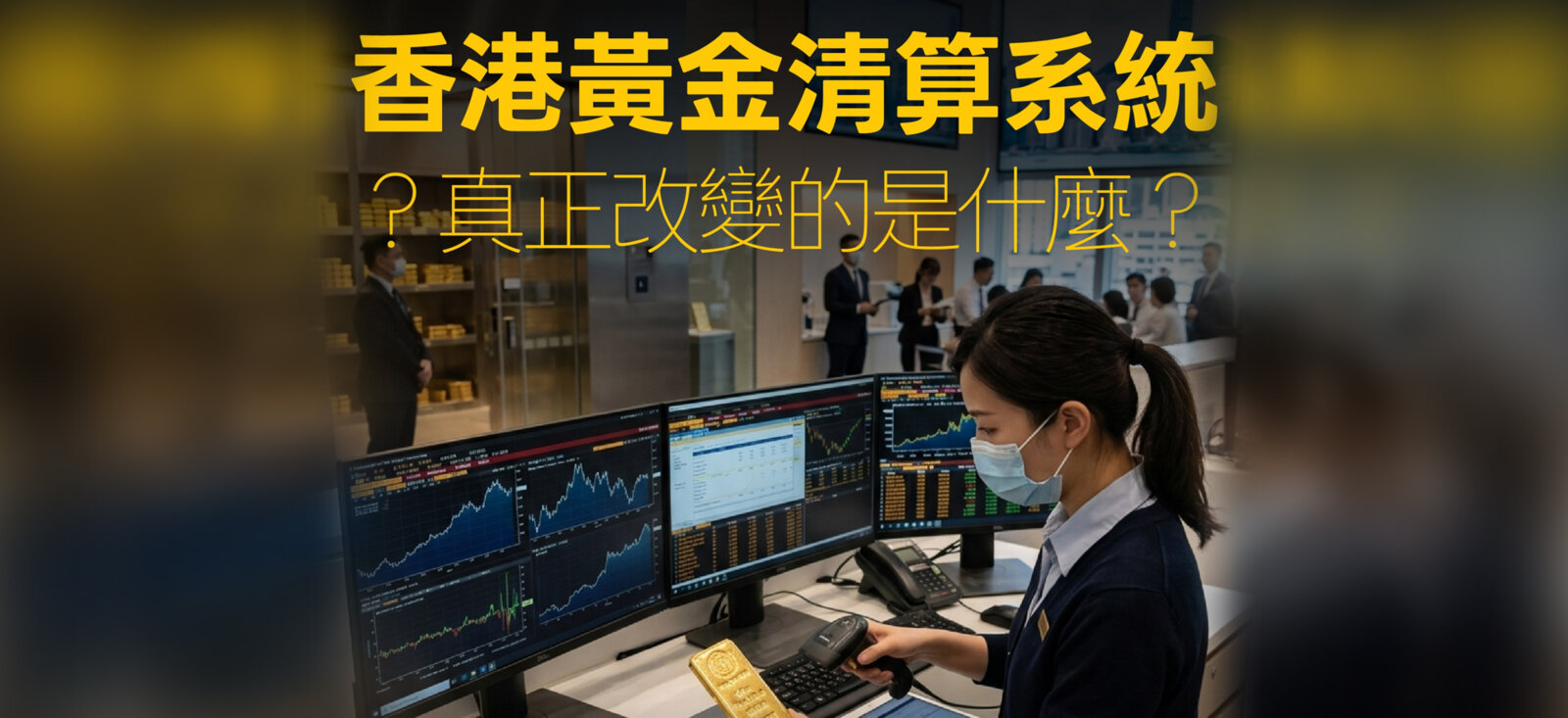
Hong Kong officially launched its gold central clearing and settlement system on July 7, introducing a new gold price benchmark code—HAU—on Bloomberg and LSEG terminals. At the same time, Hong Kong has initiated the first phase of "physical connectivity" with the Shanghai Gold Exchange, integrating warehousing, delivery, futures products, and future RMB-denominated instruments to build a more comprehensive gold trading ecosystem.
On the surface, it's just a new system and a new code name.
But from the perspective of financial markets, it represents Hong Kong's effort to strengthen the foundational infrastructure of its gold market.
What is a gold settlement system?
Ordinary people usually focus only on the rise and fall of gold prices.
But large markets place greater emphasis on what happens after trading: how funds are settled, how physical gold is delivered, and how risks are managed.
These invisible processes form the market's backend. Without a reliable backend, it becomes difficult to attract genuine large-scale capital.
Why is central clearing key to attracting large capital?
In traditional over-the-counter gold trading, transactions often rely on the mutual creditworthiness of buyers and sellers. If one party fails to deliver, the other may suffer losses—this is known as counterparty risk.
The role of central clearing is to shift risk, originally dispersed between trading parties, into a centralized management system through a central counterparty mechanism. Previously, you had to trust your counterparty; now, you only need to trust the clearing system. This is crucial for banks, funds, commodity traders, and major Wall Street institutions (such as JPMorgan Chase and UBS, which have already entered). For large investors, the biggest concern isn't market volatility—it's the lack of settlement assurance.
Pricing Influence
The global gold market has long been dominated by London and New York. London excels in over-the-counter spot trading, while New York leads in futures trading. Although Asia has substantial physical demand—particularly from China and India—its influence on global gold pricing has remained relatively limited.
This time, Hong Kong's introduction of the gold central clearing system, HAU price code, and physical connectivity with the Shanghai Gold Exchange is not merely about adding another trading platform. The key goal is to integrate over-the-counter trading, physical warehousing, delivery arrangements, clearing mechanisms, and price references into a cohesive framework. When a market has its own trading code, clearing system, and physical delivery and storage infrastructure, institutional investors can more easily participate, enabling liquidity to build up over time.
There is settlement, then trust;
there is trust, then liquidity;
there is liquidity, then pricing influence.
What implications does this have for investors?
In the short term, the launch of a central clearing system is unlikely to directly cause significant spikes or drops in international gold prices. Short-term gold movements will still be primarily influenced by the U.S. dollar, U.S. Treasury yields, real interest rates, central bank gold purchases, and geopolitical factors. However, in the long run, as Hong Kong's gold warehousing, clearing, delivery, and futures products gradually mature, liquidity in the Asian trading session could improve.
This could impact three aspects:
First, trading activity during the Asian session.
Second, the physical gold premium structure—price correlations between Hong Kong, Shanghai, and international spot gold may become more transparent.
Third, the intraday volatility patterns of XAUUSD; as liquidity in the Asian session increases, gold prices may no longer wait solely for European and U.S. sessions to determine their direction.


